
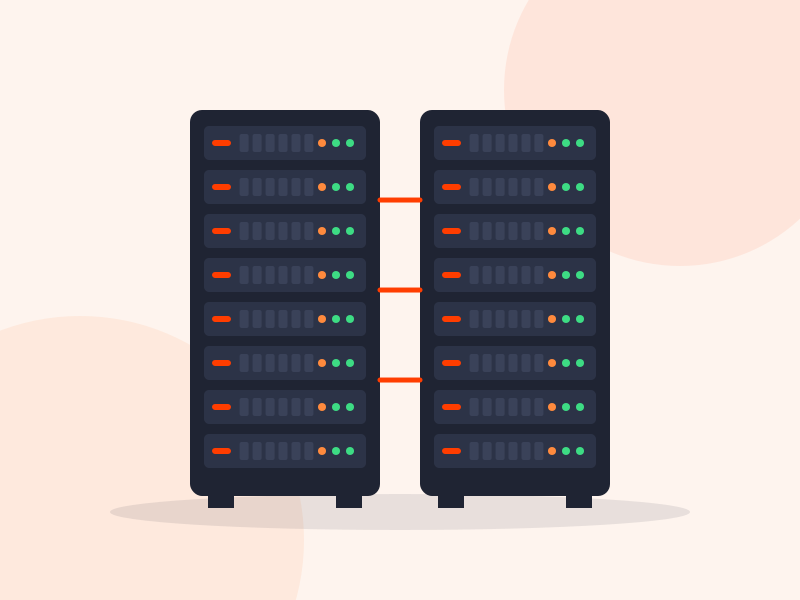
Your Local Server Provider Company in Indore
FODUU has been serving technology requirements since 2011 and currently brings 15+ years of industry experience to its IT and software development services.
Choosing a server is only one part of building dependable business IT infrastructure. The hardware needs to match your applications, users, storage requirements, network environment and expected growth. As a local server provider company in Indore, FODUU helps businesses assess these requirements and plan the right server infrastructure rather than simply recommending the highest specification available.
Talk to a Server Specialist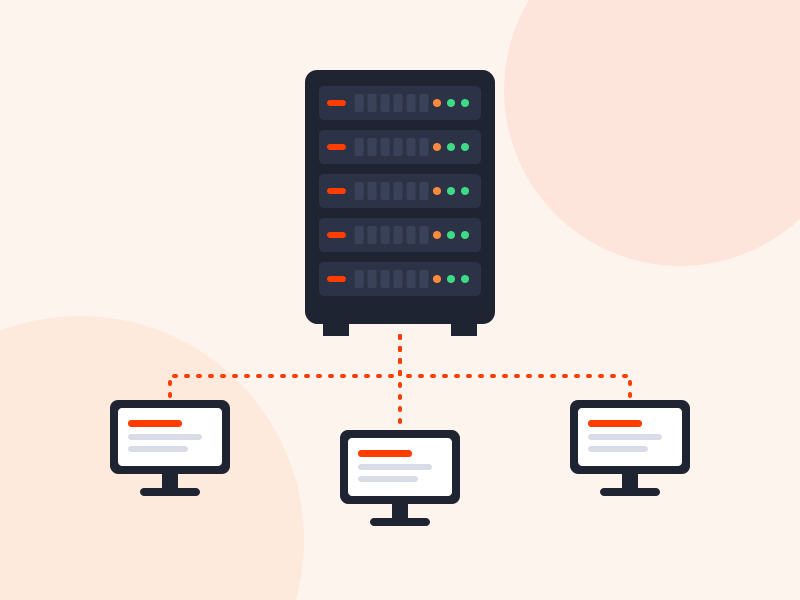
Buy Server for Your Business in Indore
Set up a dependable server for your office in few minutes.
From server hardware selection and installation to configuration, migration, maintenance and technical support, our solutions are designed to give you a practical and scalable setup without paying for specifications you may never use. The right server can become the backbone of your business that keeps applications accessible, data organized, users connected and critical workloads running reliably.
But buying a server is not simply about choosing more RAM, a faster processor or greater storage. It is about finding hardware that fits the way your business operates today while leaving enough room for tomorrow’s growth.
If you are looking to buy server for business in Indore, we will help you plan the complete infrastructure around your actual requirements.
What to Consider Before Buying a Business Server?
A server should be selected around your business workload, and not simply its processor speed or storage capacity. The right configuration depends on how many people will use it, which applications it will run, how much data you need to store, and how your requirements may change over the next few years.
You must consider these key requirements, before you a buy server for your business in Indore:
Number of Users
How many employees need access to the server, and how many more may need access as the business grows?
Applications
Try to Identify the applications the server will run, such as ERP, accounting software, databases, file sharing or business applications.
CPU
Consider the processor requirements depending on the workload complexity, application type and the number of concurrent users.
RAM
Having a sufficient memory helps the server handle applications, databases and multiple workloads efficiently.
Storage
See how much capacity you may need later according to the existing data, daily data growth, application requirements.
SSD / HDD
SSDs can provide faster data access, while HDDs can offer higher-capacity storage options depending on the workload and budget.
RAID
Reduce the impact of certain drive failures by having storage redundancy with RAID configurations.
Network
The server should match your existing network infrastructure and the amount of data moving between users, applications and storage.
Backup
Set a plan where backups will be stored, how much capacity they require and how quickly critical data needs to be recovered.
Power
Think about the UPS protection, power stability and the electrical requirements of the server environment.
Scalability
Leave room for additional RAM, storage, processing capacity or other upgrades as your organization grows.
Support
Look beyond the purchase price and consider warranty coverage, maintenance, hardware replacement and technical assistance.
A server that looks impressive on paper may still be the wrong choice if its configuration does not match your actual workload. That is why a proper assessment before purchase can help you avoid unnecessary spending on specifications your organization may never use.
Server Solutions for Different Industries
Different organizations place different demands on their IT infrastructure. A small office may primarily need centralized file sharing and business applications, while a hospital, manufacturing unit or enterprise may require substantially more storage, processing capacity, application support and scalability.
Our server solutions can be planned around the specific operational requirements of your organization.

Corporate Offices
Keep business files, applications, databases and user access organized through a centralized server infrastructure. Server setups can support employee access, shared resources, business applications and internal data management.
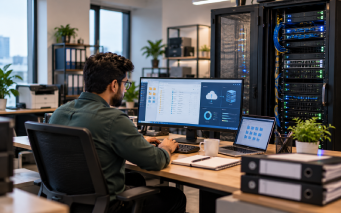
Small & Medium Businesses
A properly configured server can bring essential business applications, file sharing, backups and centralized data into one manageable infrastructure. This can provide a practical foundation for growing businesses without overcomplicating their IT environment.
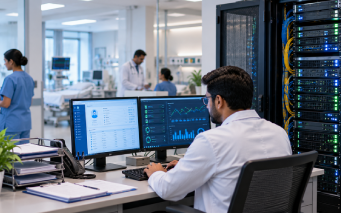
Hospitals & Healthcare
Healthcare organizations can have demanding requirements for applications, records, billing, pharmacy, laboratory systems and data storage. Server infrastructure can be planned around the applications and storage requirements that support day-to-day hospital operations.
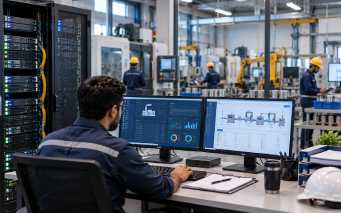
Manufacturing
Manufacturing businesses may rely on production applications, databases, shared files and internal systems across different departments. Server infrastructure can provide centralized resources while allowing room for future storage and workload requirements.
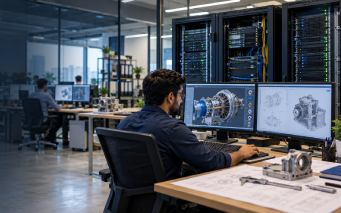
Engineering & CAD
Engineering and design environments can involve demanding applications, large project files and high-performance workloads. Depending on the software and workflow, server infrastructure can be configured with appropriate processing, memory, storage and GPU capabilities.
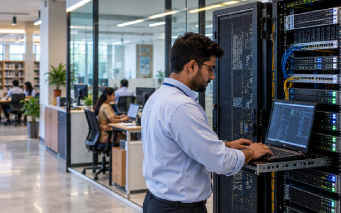
Educational Institutions
Schools, colleges and training institutions can use servers for administrative applications, databases, file sharing, internal resources and centralized data management across departments and users.
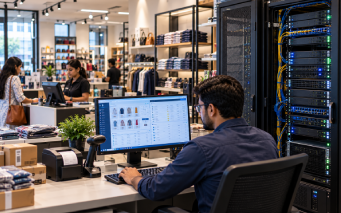
Retail Businesses
Retail operations can require dependable access to business applications, databases, inventory information and centralized data. A suitable server setup can bring these resources together while supporting backup and future expansion.
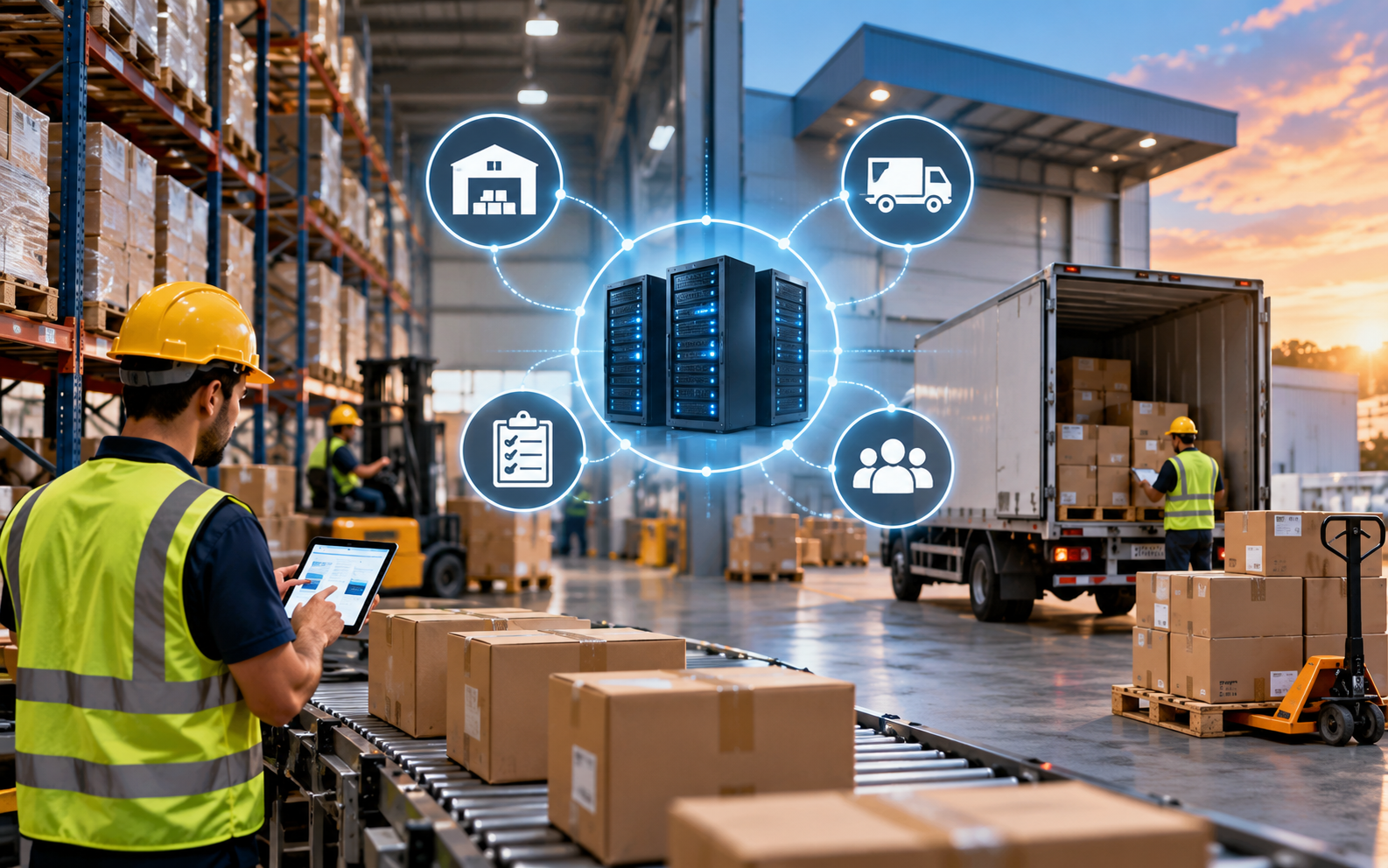
Warehousing & Logistics
Warehouse and logistics operations often depend on inventory, warehouse management, databases and internal applications. Server infrastructure can provide a centralized platform for these systems and support access across relevant users and locations.

IT Companies
IT organizations may require infrastructure for development, testing, databases, virtualization and internal applications. Server configurations can be planned around workload intensity, storage requirements, virtualization needs and future capacity.
Enterprises
Larger organizations often need server infrastructure that can support higher workloads, multiple applications, larger data volumes and future expansion. Enterprise server solutions can be designed with scalability, redundancy, performance and ongoing technical support in mind.
Why Businesses Choose Local Server Support in Indore?
Buying server hardware is only the beginning. Once a server becomes part of your business infrastructure, installation, upgrades, troubleshooting and hardware maintenance can become just as important as the original purchase. Having access to a local technical team can make it easier to coordinate these requirements when hands-on assistance is needed.
On Site Hardware Assistance
Some server issues cannot be resolved effectively through a phone call or remote session. Local technical assistance allows hardware-related problems to be inspected and addressed at the site when required.
Physical Server Installation
A server needs more than a simple power connection. Installation involves positioning the hardware appropriately, connecting network and power infrastructure, configuring components and preparing the system for its intended workload.
Server Room Inspection
Temperature, ventilation, power protection, cabling and physical access can all affect a server environment. A site inspection can help identify infrastructure considerations before they become operational problems.
Hardware Replacement Coordination
When a component such as a storage drive, memory module or other server hardware requires replacement, proper coordination helps minimize disruption and ensures that the replacement matches the existing infrastructure.
Local Technical Support
Working with a server provider in Indore gives businesses a nearby point of contact for server related requirements. Whether you are setting up new infrastructure, troubleshooting an existing server or planning an upgrade, local support can simplify communication and coordination.
Ongoing Maintenance
Servers are expected to operate as part of critical business infrastructure. Regular maintenance, health checks, updates and hardware assessment can help identify potential issues and keep the environment aligned with changing business requirements.